Work is performed by independent professionals.
Infectious disease disinfection addresses properties where communicable disease — COVID-19, norovirus, hepatitis, MRSA, C. difficile, tuberculosis, and other pathogens — has created contamination requiring professional decontamination. Standard cleaning does not eliminate many pathogens from surfaces; professional disinfection uses EPA-registered products rated against specific organisms with documented contact times. This free referral service connects Snohomish County property owners and facility managers with independent disinfection providers.
Work is performed by independent professionals.
When Professional Disinfection Is Needed
Professional infectious disease disinfection is appropriate when a confirmed or suspected case of a serious communicable illness has occurred at a property, when a healthcare or high-contact environment requires periodic decontamination, after a disease outbreak at a workplace or residential facility, following a sewage backup with human waste exposure, or when standard cleaning has failed to control recurring illness in a household.
Snohomish County has historically seen periodic norovirus outbreaks in schools and care facilities, influenza circulation, and COVID-19 cases requiring professional decontamination. Providers serve residential properties, commercial facilities, schools, daycares, and healthcare-adjacent facilities throughout the county.
The Disinfection Process
Pathogen identification: Where possible, providers tailor disinfectant selection to the specific organism. EPA's List N identifies products effective against SARS-CoV-2; other EPA lists cover norovirus, C. difficile, and other common pathogens. Not all disinfectants are effective against all organisms — professional selection matters.
Surface preparation: Disinfectants work on clean surfaces. A cleaning step precedes disinfection to remove organic material (dirt, oils, body fluids) that would inactivate the disinfectant chemistry.
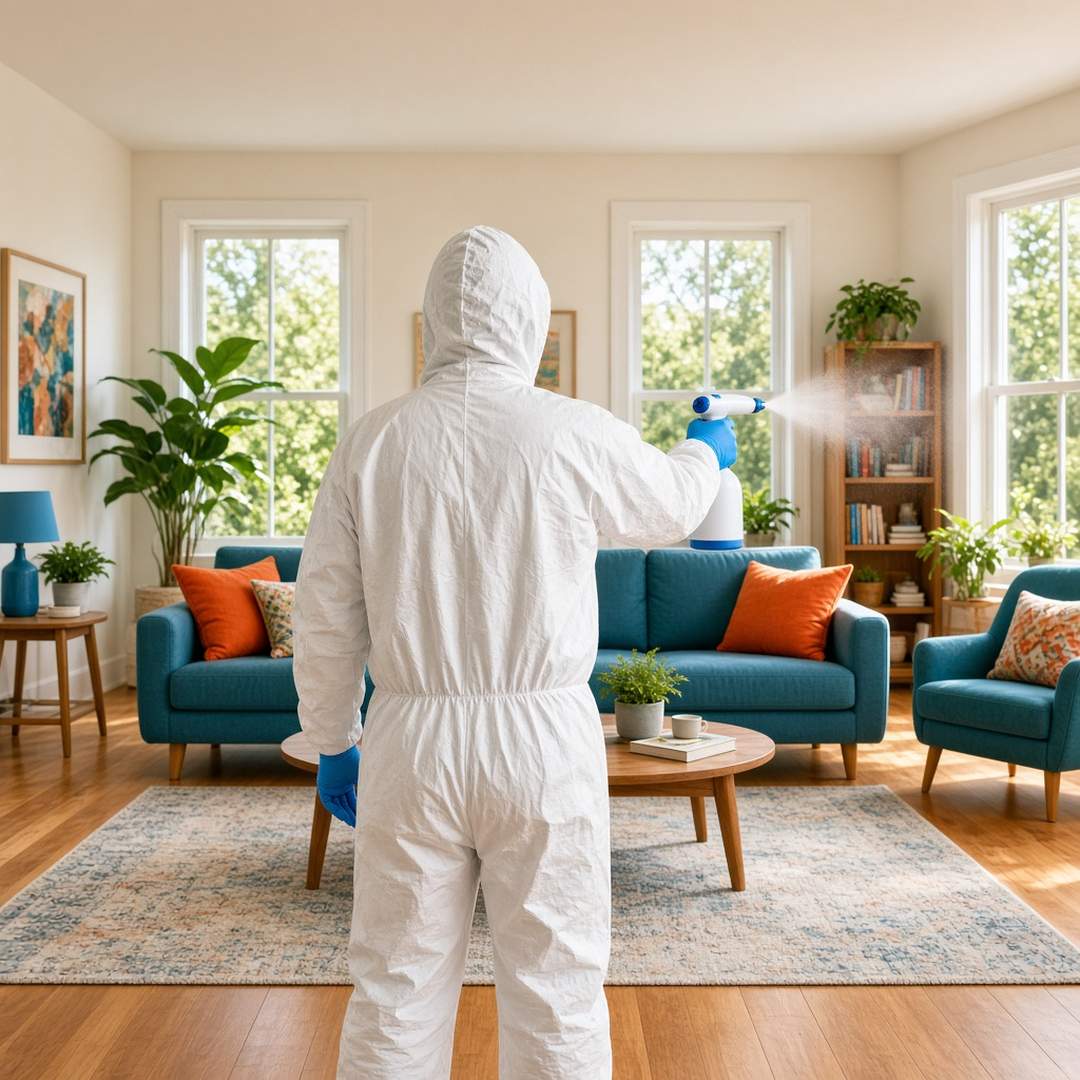
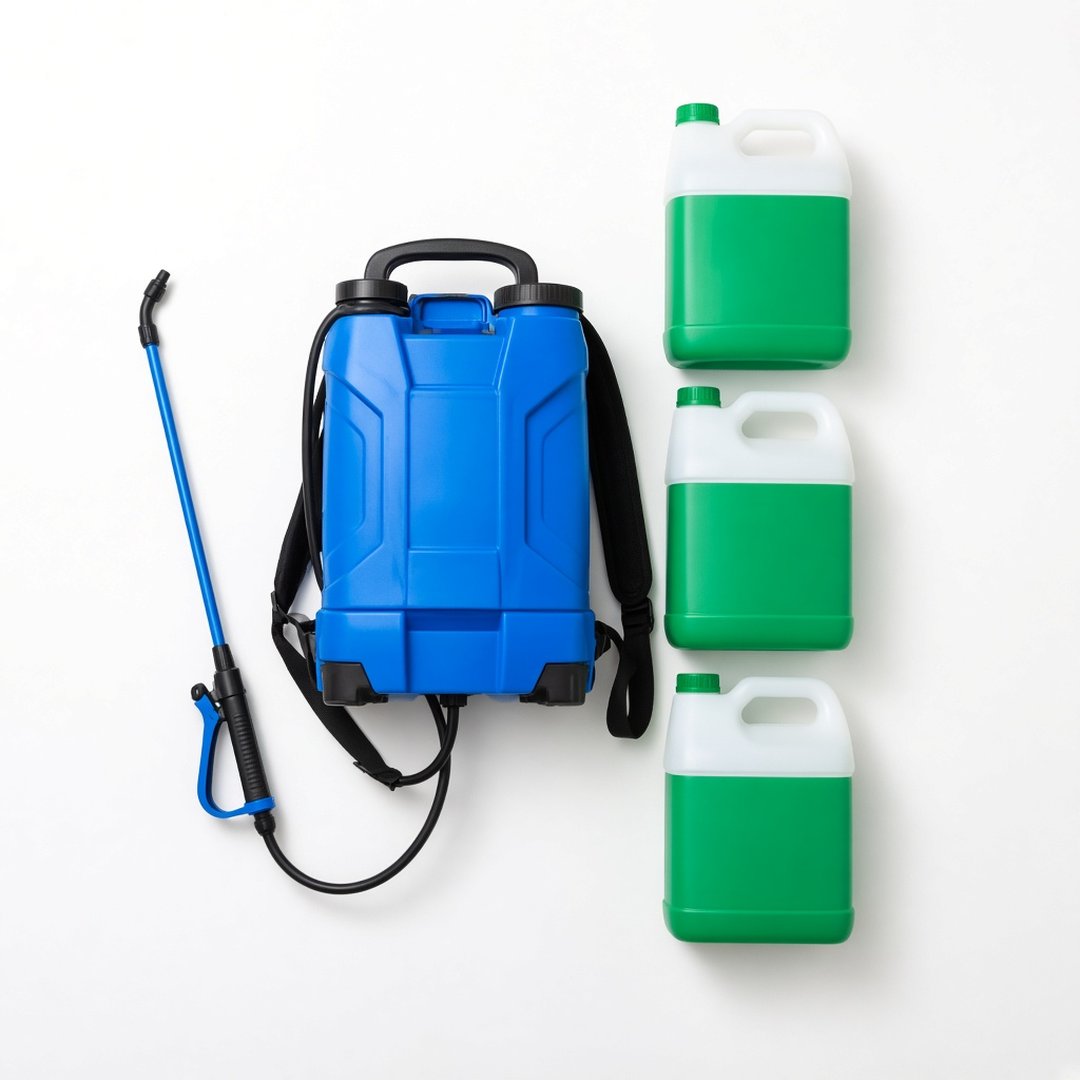
Application: Products are applied by electrostatic sprayer, fogging, or manual application depending on facility type and pathogen. Electrostatic application coats surfaces including irregular and hard-to-reach areas more uniformly than spray-and-wipe.
Dwell time: Disinfectants must remain wet on surfaces for a specified contact time — from 30 seconds to 10 minutes depending on the product and target pathogen — to achieve labeled efficacy. This is the step most commonly skipped in self-performed disinfection.
Documentation: Providers supply EPA registration numbers for products used, coverage maps for facilities, and certificates of disinfection for compliance and insurance purposes.
Costs for Infectious Disease Disinfection
Fixr reports professional disinfection at $200–$700 for standard residential properties and $1,000–$4,000 for commercial facilities. HomeGuide cites similar residential ranges with commercial costs scaling by square footage. These are national averages. Post-outbreak disinfection involving confirmed high-risk pathogens (C. difficile, tuberculosis) at larger facilities runs higher due to specialized product requirements and extended contact protocols.
Business interruption insurance may cover professional disinfection costs when the work is required by a government order or health authority directive. Homeowner's insurance coverage varies — check your policy's communicable disease provisions.