Work is performed by independent professionals.
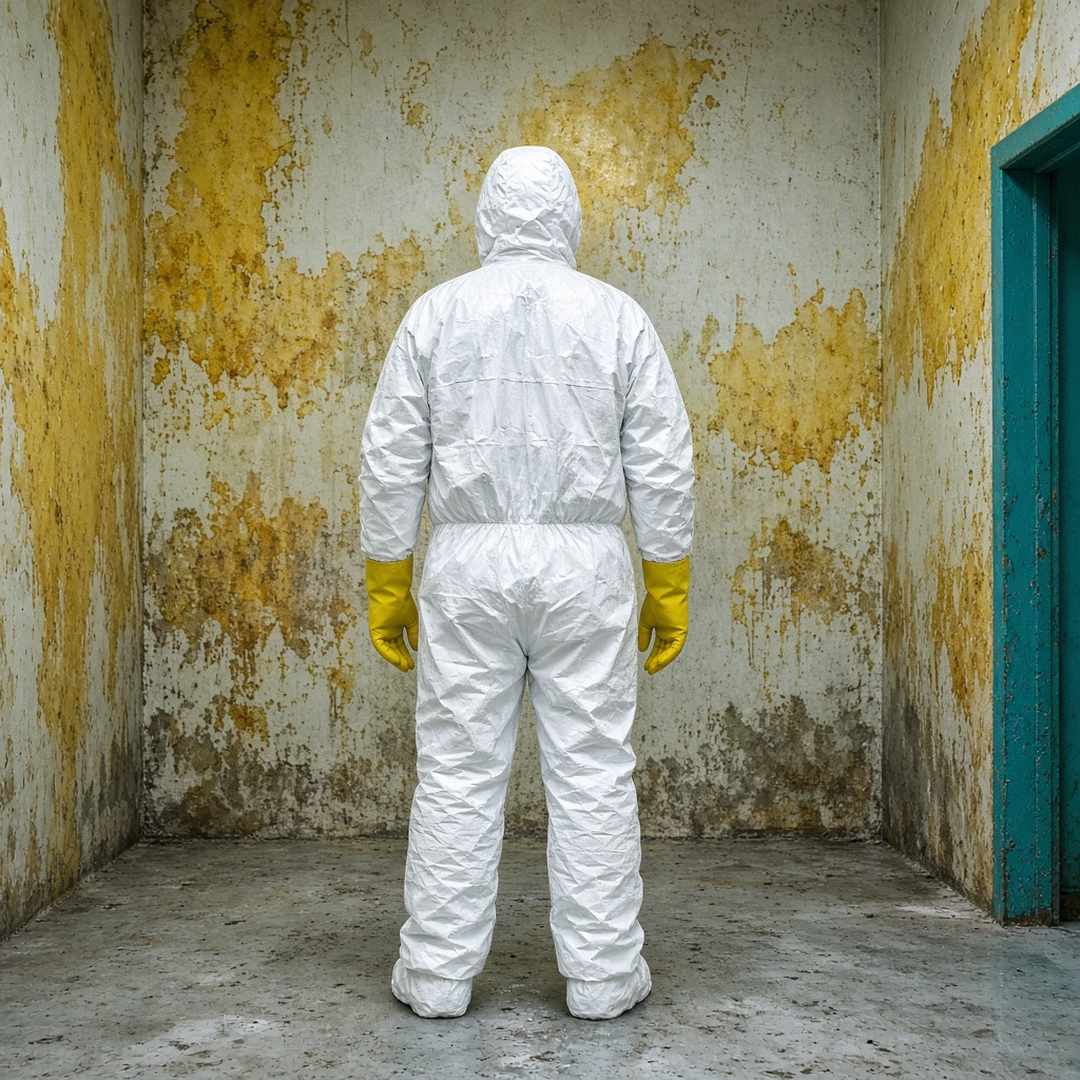
Drug lab cleanup — most commonly methamphetamine lab remediation — involves chemical contamination that is distinct from biological hazard cleanup. Meth production leaves behind toxic chemical residues that absorb into walls, ceilings, HVAC systems, and all porous surfaces in the property. Washington State has specific protocols for meth lab properties, and remediation must comply with those standards before the property can be reoccupied. This free referral service connects Snohomish County property owners with independent providers who specialize in drug lab remediation.
Work is performed by independent professionals.
Washington State Meth Lab Protocols
Washington State law (RCW 64.44) requires that properties used for methamphetamine production or storage be reported to local authorities, rendered safe, and remediated to state standards before reoccupancy. The Washington State Department of Ecology sets cleanup standards for meth labs, including surface wipe testing thresholds.
Property owners who discover evidence of a drug lab — chemical staining, chemical odors, discarded precursor materials, unusual ventilation modifications — should report to the Everett Police Department or Snohomish County Sheriff's Office. Law enforcement coordinates with the DEA and hazmat teams for initial chemical safety assessment. After law enforcement releases the scene, certified remediation can begin.
What Drug Lab Cleanup Involves
Meth lab remediation is more complex than biological cleanup because chemical contamination is invisible — there is no visible stain or odor cue that reliably maps contamination extent. Professional remediation involves:
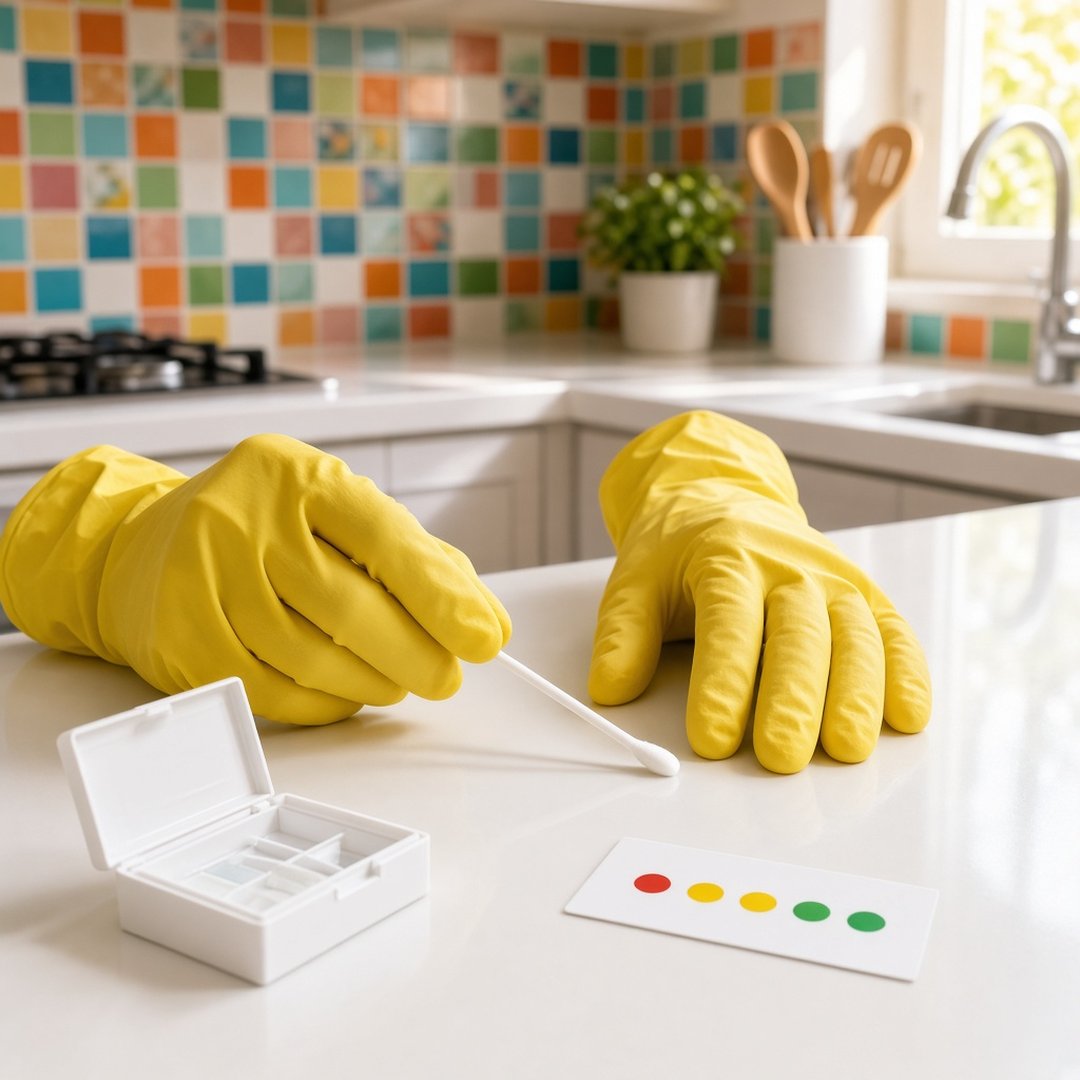
Initial testing: Surface wipe samples from walls, ceilings, floors, HVAC components, and other surfaces quantify contamination levels against Washington State cleanup standards.
Structural removal: Heavily contaminated porous materials — drywall, insulation, carpet — are removed and disposed of as hazardous waste through licensed facilities. HVAC systems are typically fully replaced rather than cleaned.
Chemical washing: All remaining structural surfaces are washed with appropriate chemical cleaning agents to reduce surface contamination to below Washington State thresholds.
Post-remediation testing: After cleanup, independent certified testing confirms that surface contamination levels meet Washington State standards. This clearance testing is required before reoccupancy.
Costs for Drug Lab Cleanup
Drug lab remediation costs significantly more than biological cleanup because of the testing requirements, HVAC replacement, and hazardous waste disposal. Fixr reports national averages of $5,000–$25,000 for meth lab cleanup; extensive contamination requiring full structural gutting and HVAC replacement runs higher. HomeGuide cites similar ranges with the wide spread driven by contamination severity.
Standard homeowner's insurance typically excludes drug lab contamination because it results from illegal activity. Landlords who discover drug lab contamination in a rental unit may have landlord insurance with pollution coverage that applies — review your policy's pollution exclusion language carefully.